
As we celebrate this Thanksgiving holiday, let us acknowledge the foods that Indigenous peoples of the Americas cultivated and maintained for thousands of years, then provided to the world. These foods include corn, squash, beans, tomatoes, chiles, and potatoes, which sustained countless generations of people and the natural world while providing optimal nutrition.
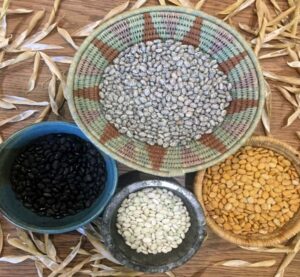
The benefits of an Indigenous diet are evident in the Nicoya Peninsula, Costa Rica, one of the Blue Zones where people live long, healthy lives, often to 100 years or more. Their daily diet is comprised of nixtamalized corn, squash, black beans, yams, papayas, bananas, and peach palms.
Beans, peas, lentils, whole grains, vegetables, fruit, nuts, and seeds are the only natural sources of fiber and polyphenols. These indigestible components of food are utilized by gut bacteria to produce hormones such as GLP-1 that control appetite and metabolism, while ensuring proper nutrition for maximum health and longevity.
Consumption of diets rich in fiber is associated with longer life spans in men and women, with a lower risk of death from cardiovascular, infectious, and respiratory diseases. Fiber consumption is also inversely associated with the risk of type 2 diabetes and cancer of the esophagus, stomach, colon, pancreas, ovary, and breast.
Polyphenols are bioactive compounds that include flavonoids, anthocyanins, and phenolic acids. These compounds have direct antioxidant activity, inhibit LDL oxidation (primary driver of atherosclerosis), and have anti-mutagenic, anti-carcinogenic, anti-inflammatory, and neuro-protective activity. The intake of antioxidant and anti-inflammatory polyphenols has been found to reduce the deleterious effects of aging. These include:
| NAME | SOURCES |
| Anthocyanins | berries, grapes, red wine, red cabbage, purple corn |
| Flavonols | onions, scallions, kale, broccoli, apples, berries, teas |
| Flavones | chile peppers, celery, parsley, thyme |
| Isoflavones | soybeans, soy foods, legumes |
| Flavanones | oranges, grapefruit, lemons |
| Resveratrol | grapes, red wine, plums, berries |
| Quercetin | onions, apples, citrus fruit |
| Isothiocyanates | cruciferous vegetables |
| Curcumin | tumeric |
In addition to fiber and polyphenols, carotenoids are an important source of nutrition from plants. They are a class of naturally-occurring pigments that result in the yellow, orange, and red colors of many plants. Health benefits of carotenoids include antioxidant activity, anti-cancer effects through several mechanisms, protection against macular degeneration and cardiovascular disease, and a source of Vitamin A. Dietary lutein has been shown to maintain cognitive health. Types and sources of carotenoids in foods include:
| NAME | SOURCES |
| a-carotene | plantain, pumpkin, squash, carrots |
| ß-carotene | sweet potato, spinach, carrots, collard greens |
| ß-cryptoxanthin | papaya, sweet red peppers, oranges, tangerines |
| lutein, zeaxanthin | spinach, turnip greens, collard greens |
| lycopene | tomatoes, watermelon, pink grapefruit |
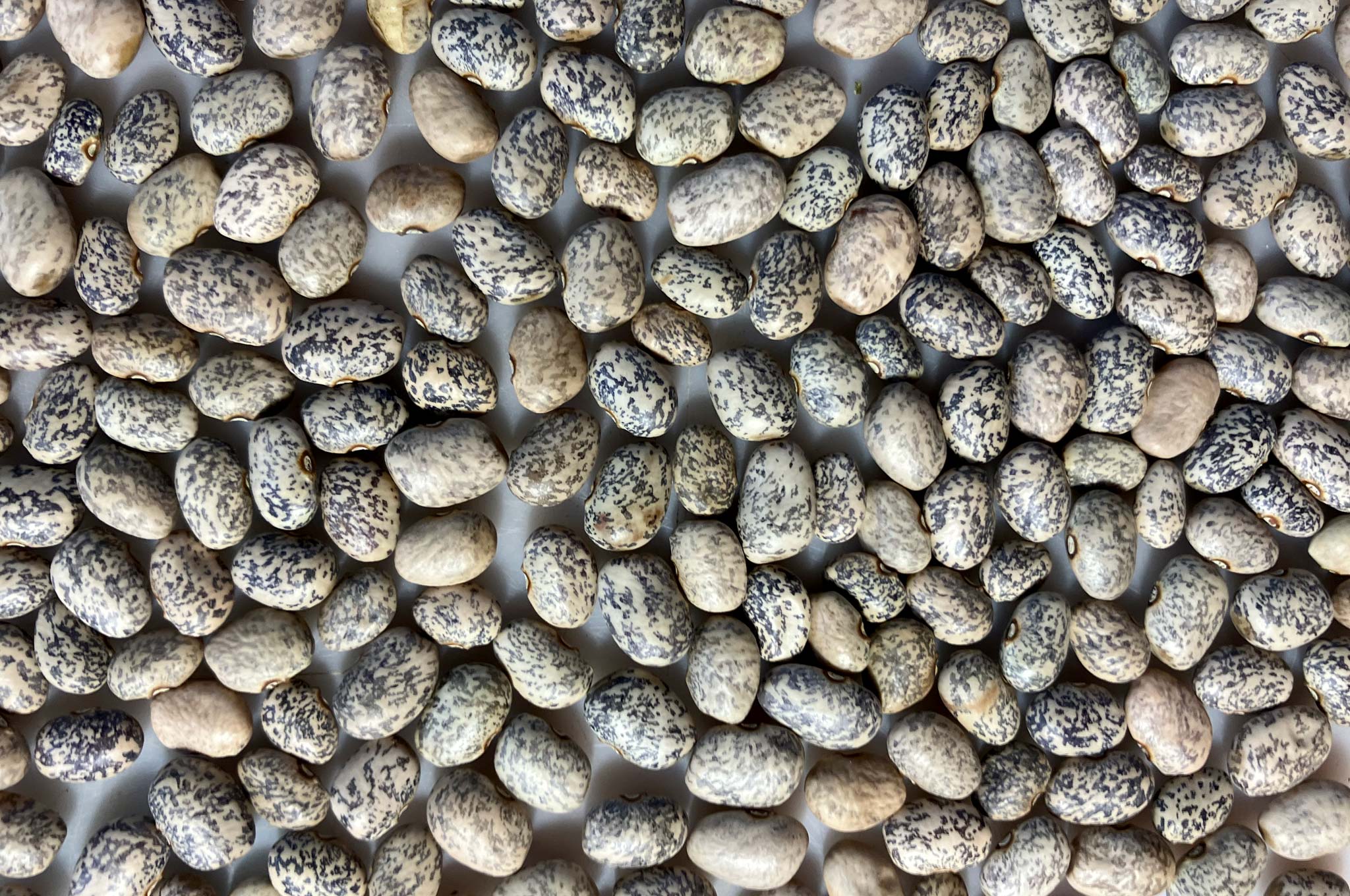
An ancient bean which almost became extinct is the tepary bean (Phaseolus acutifolius), which was cultivated in the Southwest for millennia. They mature quickly and tolerate desert heat, drought, and alkaline soils. Tepary beans are a top source of fiber, protein, and minerals:
| 4-OZ SERVING | QUANTITY |
| Calories | 410 |
| Protein (g) | 20 |
| Fat (g) | 1 |
| Saturated Fat (g) | 0.5 |
| Cholesterol (mg) | 0 |
| Sodium (mg) | 0 |
| Potassium (mg) | 1,910 |
| Calcium (mg) | 750 |
| Iron (mg) | 26 |
| Carbohydrates (g) | 77 |
| Sugar (g) | 6 |
| Fiber (g) | 52 |
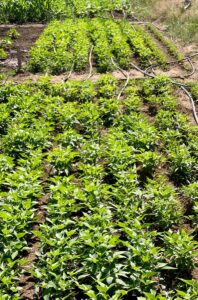
These beans grow well in Tualatin, as shown in photos from a local community garden where blue speckled tepary beans were harvested. If interested, seeds are available from the author.
In support of these findings, the Scientific Report of the 2025 Dietary Guidelines Advisory Committee to the Department of Health and Human Services and Department of Agriculture provided recommendations to prioritize plant-based protein over animal protein, and rearrange the Protein Group to put Beans, Peas, and Lentils first and Nuts, Seeds, and Soy products second.
However, these recommendations were disregarded, and a substantially altered report entitled The Scientific Foundation for the Dietary Guidelines for Americans, 2025–2030 was issued. In response, the Physicians Committee for Responsible Medicine, a 501(c)(3) nonprofit organization of more than 17,000 physicians, filed a lawsuit on 8/19/26 against HHS and USDA for disregarding basic Federal Advisory Committee Act requirements for issuing the Dietary Guidelines. The issue is now up to the court.
Regardless of the outcome, this holiday season is a time to celebrate the foods and nutrition that Indigenous peoples gave to us and the world.
Marc will be teaching a “Foods for a Healthy Heart” class at the Juanita Pohl Center on November 4 at 2:00 p.m.