
They saw it coming. No one stopped it.
Tucked between Tualatin, West Linn, and Lake Oswego is a small triangle of farmland known as the Stafford area. It is a rare and cherished landscape where rural character still feels intact—rolling fields, family farms, and a scenic corridor that was supposed to be protected, not sacrificed.
In 2023, residents received what the power company called a “courtesy offer”—small payments for easements to “upgrade” existing lines.
It was not an upgrade.
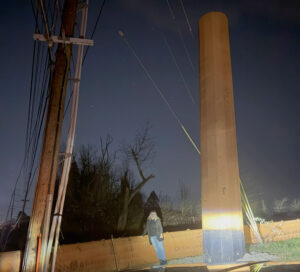
It was a new high-voltage transmission line: steel poles up to 120 feet tall, more than 250 trees slated for removal, and industrial infrastructure forced through one of the county’s most scenic rural landscapes.
Residents saw the danger immediately. They wrote letters. Showed up to hearings. Asked the questions elected officials should have been asking themselves: How does this belong on a scenic road? Why here? Why this scale?
At first, Clackamas County agreed. The initial permit was denied because the project would create a “much more industrial aesthetic.”
Then the facts stayed the same, and the spin took over.
The same project was repackaged as a harmless “upgrade.” The same harms were recast as benefits. Tree removal would “open up views.” Lower property values would “open the market.” Risks were waved away.
The project had not changed. Only the narrative had.
And the public was never told the full truth about necessity, either. In Public Utility Commission testimony, PGE’s own vice president described the line as essentially backup to backup. The record also showed less destructive alternative routes. But instead of placing industrial infrastructure where it belonged—along the freeway—the company chose a route through a protected scenic corridor.
Then came the part Oregon’s public should find unacceptable: while residents were still fighting through the legal process, construction was allowed to move forward anyway. Under Oregon law, utilities can build “at their own risk” while appeals are pending.
So they did.
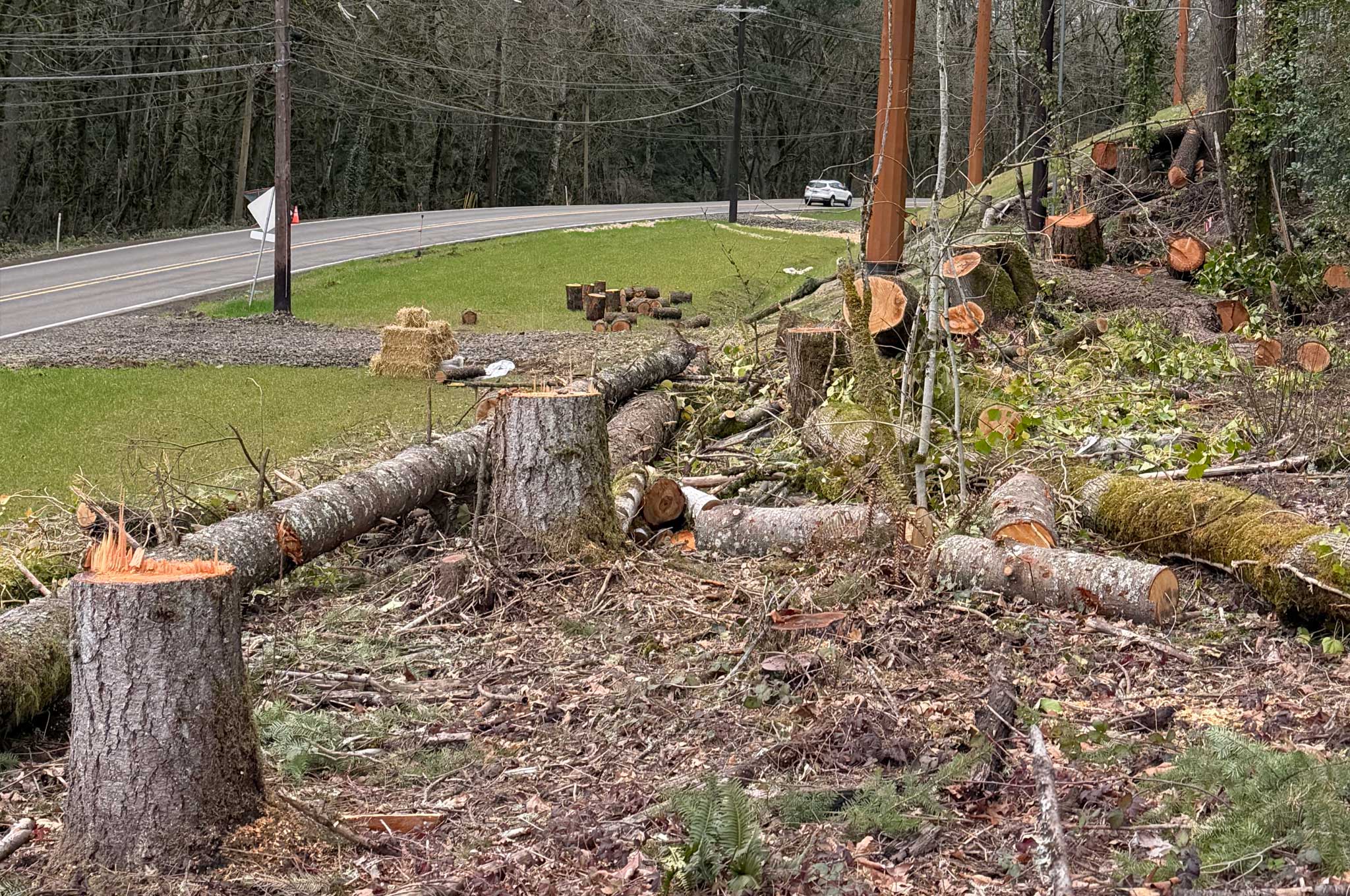
Countless trees came down. Poles went up.
When residents asked the Land Use Board of Appeals (LUBA) to pause construction until the appeals were complete, LUBA refused—stating there was “nothing unique” about the trees on Stafford Road and that any damage could be undone later.
It could not.
A century-old landscape is not restored by planting saplings. A scenic corridor is not repaired by pulling steel out of the ground after the damage is done.
Then, when the County later flagged permit violations—wrong materials, missing environmental review, poles outside approved areas—many of the poles had already been removed before a full investigation could occur. The evidence disappeared before the public ever got clear answers.
Now LUBA has sent the permit back to Clackamas County because the County failed to address its own scenic road policy.
That means this is not over.
Our elected officials still have a choice: continue hiding behind process, or finally stand up for the protections they were elected to defend.
For two years, residents warned this would happen.
Stafford Road was not destroyed by surprise.
It was abandoned by the people with the power to stop it.