
A $740,000 grant from the Portland area’s Metro regional government will help fuel the final phase of planning for a reimagined downtown, a stage that is just now getting underway, according to the city.
This third phase will cap a 1-year-old effort to transform the city’s urban core into a more walkable, mixed-use district through public improvements, updated development standards and private investment. The plan will recommend how to establish new housing, businesses and public gathering spaces while strengthening downtown’s identity and connections to the Tualatin River.
The project’s first phase, begun in May 2025, established a community advisory committee, which subsequently helped collect, organize and analyze community input to help envision what the city’s core should be like in the future.
In the second phase, hundreds of students in the University of Oregon’s Sustainable City Year Program developed renderings, studies and recommendations to address redevelopment opportunities and challenges. They aired their ideas in a March 13 forum.
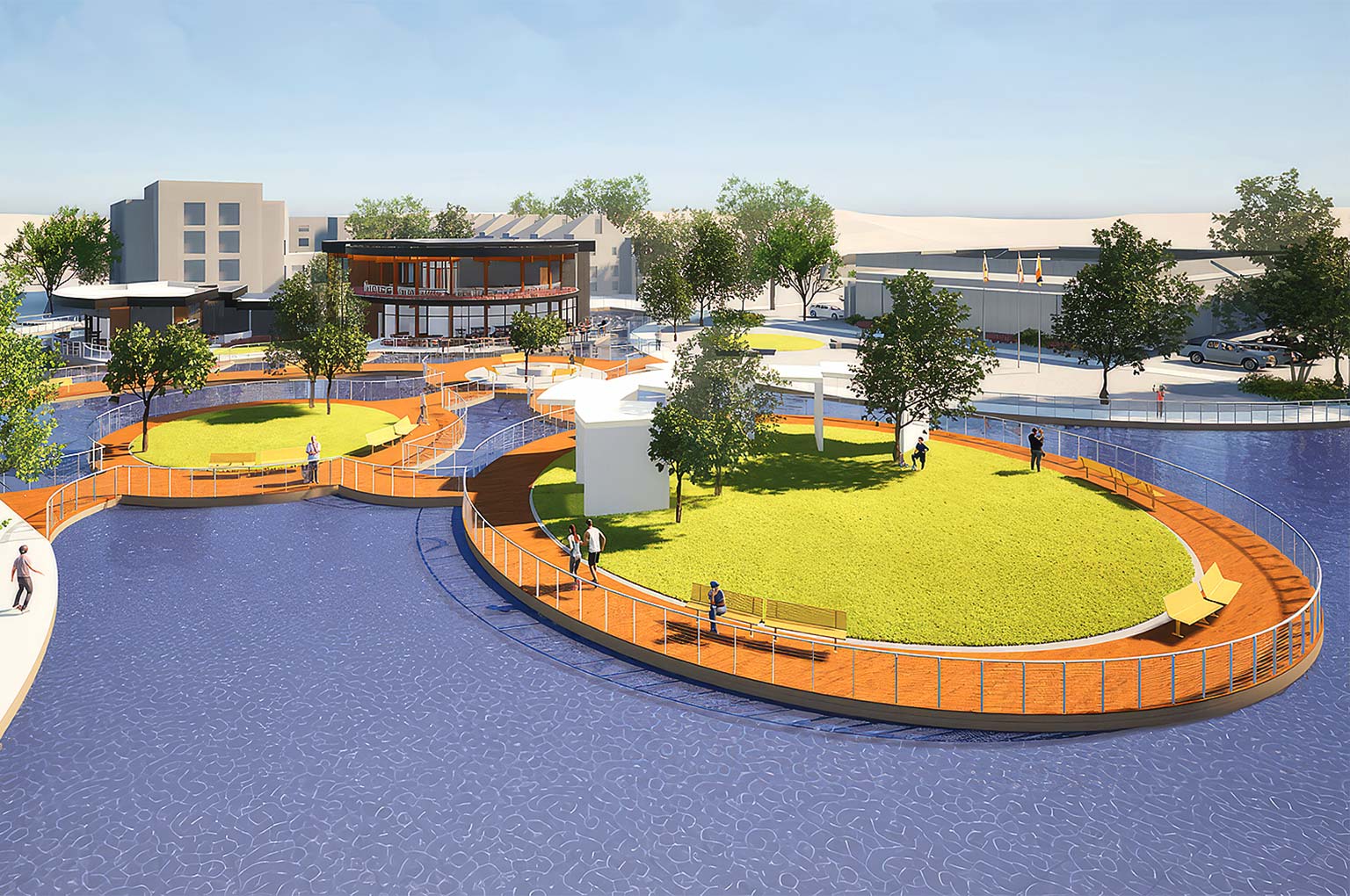
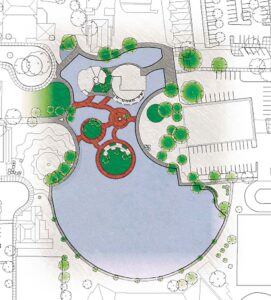
Of particular recent interest has been the fate of the downtown’s Lake at the Commons, a three-acre, man-made lake established in 1994 as a community gathering attraction, according to city staff. One proposal stirring “buzz,” they said, is a UO student’s idea to build what are being called lily pads – islands of inviting green spaces connected by walkways to more closely coordinate the lake’s surroundings.
The advisory committee aims to begin discussing that proposal and other ideas relating to the lake on Aug. 5.
As one example of the district’s challenges, portions of the downtown lie within the Tualatin River’s floodplain, though many buildings are constructed high enough to keep them out of harm’s way.
The committee rated the onslaught of ideas from the UO students according to specified criteria, including whether they might contribute to making the downtown a “vibrant mixed-use area,” “distinct and magnetic,” environmentally sustainable, navigable and safe, and supportive of business.
In the third phase, the committee will sift and coordinate some 66 committee-rated recommendations to help form an urban design framework, downtown design standards and a consolidated roster of recommendations for downtown redevelopment.
City staff said no single silver-bullet recommendation will help promote prosperity and address underused lands within the downtown district. Rather, success will come from a patchwork of complementary guidelines, they said.
“It’s all about how we put these puzzle pieces together to create a whole bunch of features that work together and support one another,” said Quin Brunner, an urban renewal/economic development policy analyst, told the city council on Monday.
The $740,000 grant from Metro, which governs certain regional issues of Multnomah, Washington and Clackamas counties, will pay for the formulation of a so-called urban design framework and updated downtown design standards. In addition, the grant will fund a parking study, a real estate market study, developer outreach and bilingual community engagement.
City staff aims to contract consultants for all third-phase projects in August and September and introduce them to the city council in October, leading to the project’s completion projected in early 2028.
A city news release about the grant award quoted Tualatin Mayor Frank Bubenik as saying: “We are exceptionally grateful to our partners at Metro for supporting our downtown revitalization project. Downtown Tualatin is poised for tremendous growth, and this project stands to bring a wave of new investment and development.”