
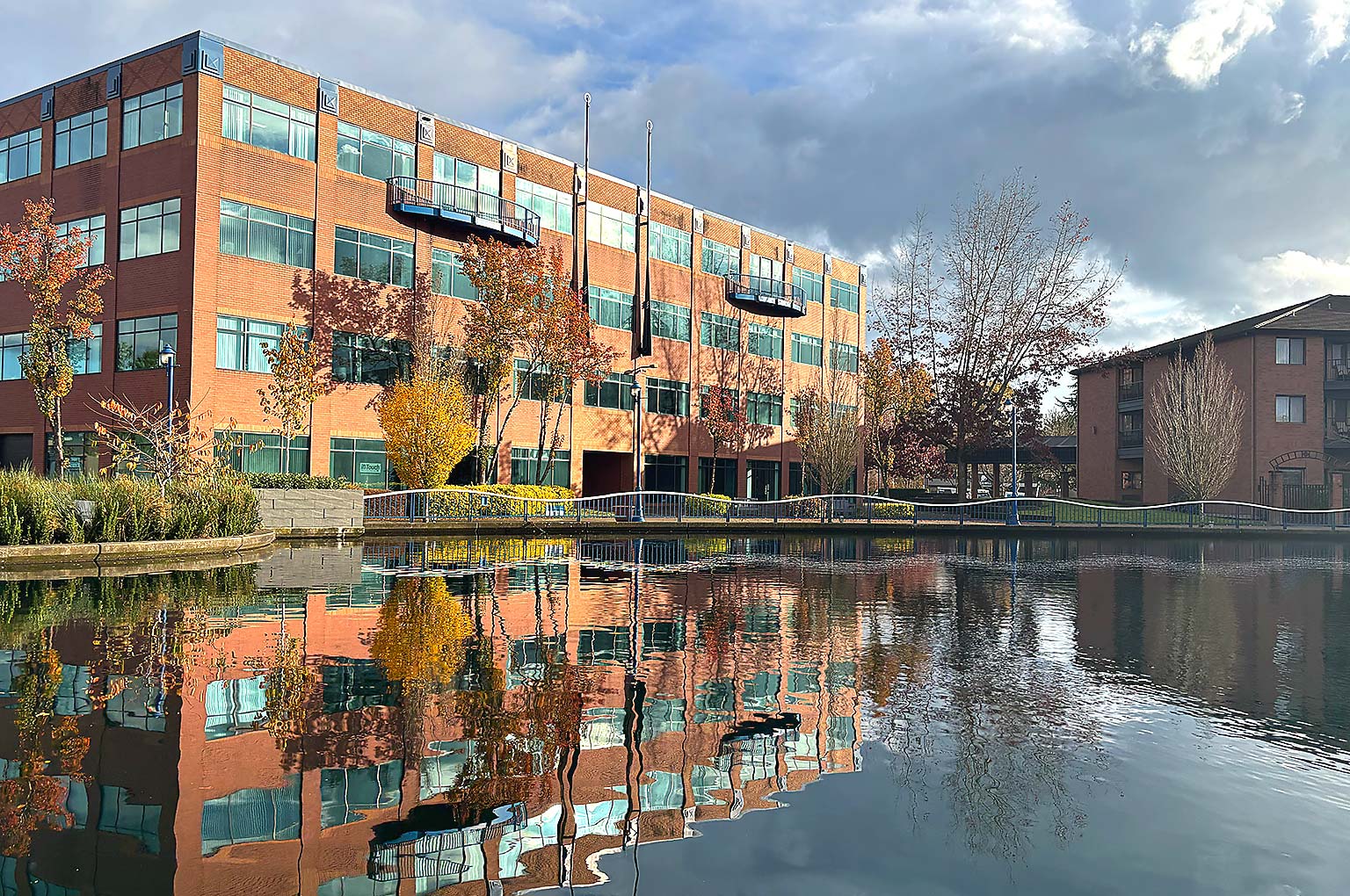

On Nov. 5, Oregon Governor Tina Kotek nominated Tualatin to be added to the state’s Opportunity Zone 2.0 program. According to city managers and consultants, the designation could help bolster Tualatin’s Downtown Revitalization Project.
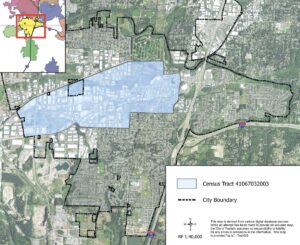
The designation aims to incentivize development by ensuring new businesses receive tax benefits for setting up shop in Tualatin’s downtown and manufacturing district. Starting Jan. 1, 2027, the area will be added to Oregon’s list of opportunity zones, and tax benefits will take effect.
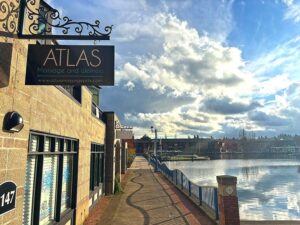
“It is a real honor to be selected for this program, and it’s a terrific tool in our belt as we continue to position downtown for investment and redevelopment,” Project Manager Quin Brunner told Tualatin Life. “My read is that this isn’t going to change our approach here; we still have these fundamentals that we’re focused on which is creating this urban design vision and framework for downtown, which is a prerequisite for any type of placemaking effort.”
The triple tax benefits last for 10 years and are intended to increase investment in the city by offering developers delayed tax bills, tax reductions and/or tax-appreciation deductions.
“During this time, investors in qualifying projects receive a rolling five-year capital gains deferral, a 10% basis step-up after five years, and pay zero capital gains taxes on appreciation after ten years,” a Tualatin press release about the nomination reads.
While the opportunity zone spans more than what is included in the downtown revitalization project’s scope, stretching past Tualatin’s central commercial district surrounding the Lake of the Commons and extending down to the end of the city’s general manufacturing district, Brunner said that the aims of the designation would run parallel with the city’s effort to revitalize downtown.
“It will make it easier for developers and investors to attract the capital that they need to invest in places like this,” Brunner said. “Right now we’re trying to galvanize and attract development.”
Brunner pointed to development projects like the Tigard Triangle, which also utilized an opportunity zone designation to attract investors and spur development and while Brunner was hopeful the designation would attract development, he said that downtown revitalization plans would not be modified as a result of the city’s new status.
Progress on Revitalization
In their most recent update to the Tualatin City Council on Oct. 26, project design firm Walker Macy said one of the biggest hurdles to revitalizing Tualatin’s downtown could be letting people and potential investors know it’s there.
“We’ve been doing a lot of existing conditions observation, and one clear thing that we’ve observed is that you’ve got this part of the Lake of the Commons and it’s not very visible to people that are passing from all directions,” Walker Macy Planner Ken Pirie told Tualatin Life.
At a Nov. 4 community advisory committee meeting, Tualatin’s Downtown Revitalization effort was given explicit goals by Walker Macy, which, in addition to increasing visibility, also included connecting downtown to parks and natural spaces, cleaning Lake of the Commons water, improving accessibility, improving pedestrian comfort and utilizing all available building capacity.
While talking with Tualatin Life, Pirie previewed some of the design firm’s preliminary ideas for addressing the visibility issue, explaining that the company had considered changes like renovating the commons to house denser development.
“It could be encouraging more density around the lake so you see taller buildings from a distance; it could be public signage and wayfinding; it could be public art; there’s a whole range of things that we could think of to kind of draw people’s eye into the court,” Pirie said. “Tualatin is pretty unique, having a lake right in the heart of downtown.”
Brunner and Pirie agreed the project was on schedule and would remain in the “community design master plan” phase (Phase III) until May 2028. In the interim, Pirie said that Walker and Macy would begin reviewing the findings from their conditions analysis of the area in January of 2027.
Brunner and Pirie said they would play a major role in promoting the project over the course of the current phase. They mentioned that at their first foray into community engagement for this project, an information tent at the West Coast Giant Pumpkin Regatta, they received over 400 responses.
Updates about upcoming community engagement events and project information are available on the City of Tualatin’s website.